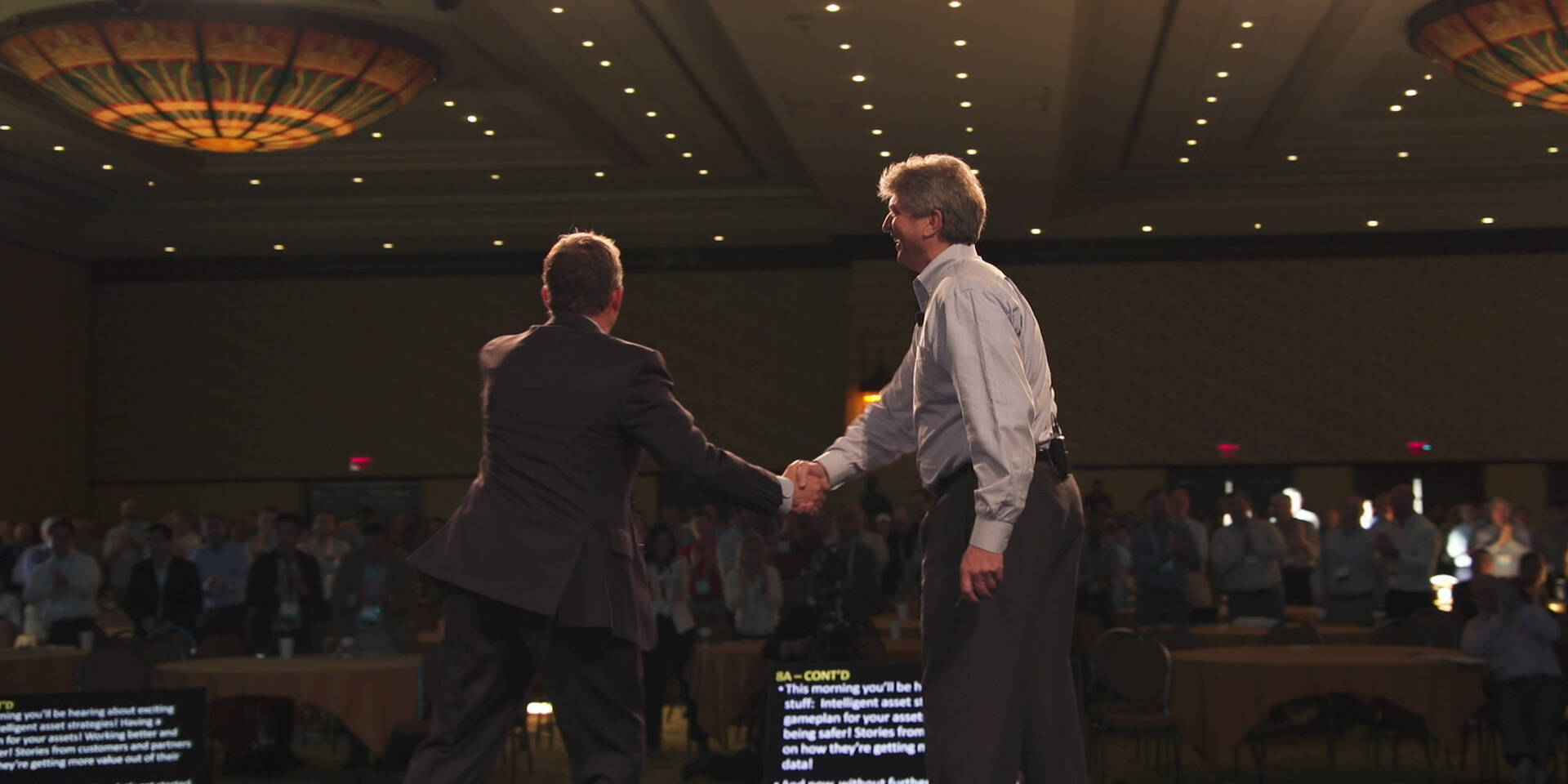

You just had an amazing event! People attended, they connected with each other, they learned, they even had fun! You heard so much great feedback. You’re on cloud nine! As you pack your suitcase, head home, and begin working on the next project, all the footage you captured at that event can end up forgotten. But you spent a good amount of money to capture your event. What do you do with all that footage? How do you get the most out of it?
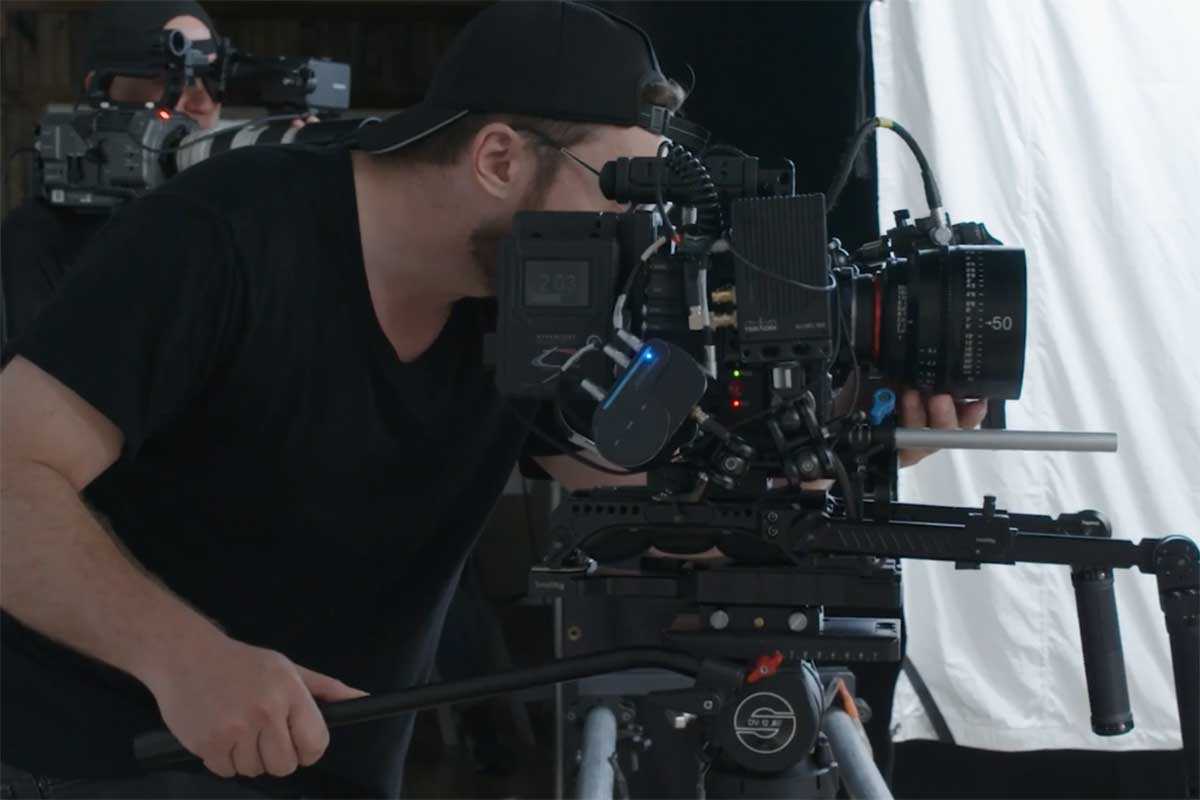
Here are four things to consider with event footage and how to get maximum use out of it.
1. Don’t just capture b-roll
Event b-roll can have a variety of uses, but you’ll never be able to fully tell the story of your event with b-roll alone. Record your mainstage presentations so you can share snippets from leadership messages and intersperse b-roll. Capture interviews, capitalizing on the opportunity of having all your executives in one place and attendees who are knowledgeable about a variety of subjects. You could have an interview room with speakers scheduled for specific timeslots or you can capture “man-on-the-street” style interviews and talk to attendees and presenters alike in the thick of it all.
Whichever style works better for your event and your attendees, it’s crucial to let the people who are enjoying your event sell it for you. Let them share what they loved, what they learned, and what makes them want to come back next year. Get your executives or presenters on camera and have them talk about the energy at the event and how they love to re-connect with members of their team. Let your presenters share what impact they think the event will have. If your event has sponsors or vendors present, see if you can get them in front of the camera. Ask them what makes it a great event for them to attend or sponsor. Who are they meeting at the event? All these interviews can become resources for recruiting more sponsors, more attendees, and more event budget in the future.
2. Think through multiple use cases
The key to using your event footage is planning what to record and how you’re going to use it before anyone steps on a plane. After you’ve identified the content you need recorded for your event strategy and key stakeholders, reach out to marketing, public relations, internal communications, and any other teams that might want to record something during the event. This will give you the biggest bang for your buck when adding video services.
Does anyone at the company have a podcast? See if they want to record an episode on site. Does HR need any updates to their onboarding greetings from the leadership team? Would your keynote speaker agree to a quick interview or short inspiring message to send out to your attendees after the event is over and the energy is wearing off? Does internal communications need any videos for later in the year? Thinking outside of the box will allow you to really max out the video room time and create value for different departments.
3. Communicate video use cases to your video team
Any good video production team will be able to handle a multitude of video requests onsite, whether it’s general session records, capturing b-roll, or an interview room. Your production team will make recommendations based on what the footage will be used for and the scheduling of the event. If there is constant b-roll being captured and an interview room, they may need to have multiple video teams present. They may also recommend teleprompter if you have executives recording prepared remarks and you want their eyeline to be directly at the camera. Work closely with the production team in pre-production to communicate all video recording needs and how you expect the footage to be used, even if that team won’t be doing your editing. All great video teams work with the end goal in mind.
4. Use a trusted partner for footage storage
Once your event is over, and you’ve created all the videos you think you’ll need from the footage, make sure you have that content saved in a place where you can easily access it again. Hopefully your production team already does this for you but talking about where the footage gets stored and how your team can access it will save you from a headache after the event. You never know when that footage will get used down the road. Make sure it’s stored somewhere safe, there are copies of it, and your edit team knows how to access it.
____
In conclusion, video footage at your event shouldn’t fade into the background once the last truck is pulling out of the dock. It’s a strategic asset that can extend the life and impact of your event long after attendees have gone home. By planning intentionally, collaborating across departments, and preserving your content for future use, you can turn a single moment into months (or even years) of brand storytelling. Now you have the tools to ensure your footage works just as hard as you do.
Related Posts

AI Isn’t Replacing Event Pros – It’s Empowering Them
We’re living in the age of generative artificial intelligence (Gen AI). If you…

From Great Idea to Golden Reality
One thing I love about working on a creative team is that it doesn’t matter…